Croatia Itinerary Guide

Before you even think about packing your swimming shoes, let’s lay the groundwork. A little foresight goes a long way in ensuring your Croatia itinerary is a resounding success. The first thing you need to nail down is the “when.” The consensus among seasoned travelers and experts is clear: the best times to visit are during the shoulder seasons. Aim for the lush, green months of May and June, or the warm, mellow days of September and early October . During these windows, you’ll be blessed with pleasant temperatures perfect for sightseeing and swimming, but you’ll dodge the overwhelming crowds and inflated prices of July and August . Plus, the famous sea organ in Zadar sounds just as sweet without a thousand people elbowing for a seat.
Decoding the Dream: Essential Pre-Trip Planning
Next up is the logistical puzzle of getting around. Croatia is more linear than you might think, with its best bits strung along the coast like pearls on a necklace. For most travelers, a combination of transportation methods works best. Intercity buses are the unsung heroes of Croatian travel—they’re reliable, comfortable, and connect all the major hubs like Zagreb, Zadar, Split, and Dubrovnik efficiently . For the islands, you’ll be at the mercy (and pleasure) of the ferries. Jadrolinija is the national carrier, offering both car ferries and faster catamarans.
During the peak summer months, booking your ferry tickets online in advance isn’t just a good idea; it’s essential to secure a spot, especially if you’re bringing a vehicle . For those who crave freedom, renting a car is a fantastic option, particularly if you want to explore inland regions like Istria or the Pelješac Peninsula. Just be warned that parking in old towns like Dubrovnik and Split is a nightmare, and the D8 coastal road, while scenic, is full of sharp bends .
Where to Rest Your Head: A Guide to Croatian Accommodations
Choosing where to stay is half the fun, and it can dramatically shape your experience. In Croatia, your accommodation isn’t just a place to sleep; it’s part of the adventure. You’ve got a fantastic spectrum of choices, from wallet-friendly hostels to luxurious villas. For the budget-conscious traveler, family-run guesthouses and hostels are a goldmine. They often offer not just a cheap bed, but also invaluable local tips and a dose of that famous Croatian hospitality . Imagine your host drawing you a map to the best, least-crowded beach on the map—priceless.
If you’re looking for a mid-range option that blends comfort with character, look for an apartment or sobe (rooms to let). These are ubiquitous, especially in coastal towns, and give you the flexibility to cook your own meals with fresh produce from the local market, a great way to save a few euros . On the other end of the spectrum, for a truly special experience, consider splurging on a hotel with a sea view in a place like Hvar Town or Rovinj. Waking up to the sun glinting off the Adriatic is worth every penny . And for a truly unique stay, why not book a room within the ancient walls of Diocletian’s Palace in Split? It’s a surreal experience to live among 1,700-year-old Roman ruins .
Adriana Hvar Spa Hotel
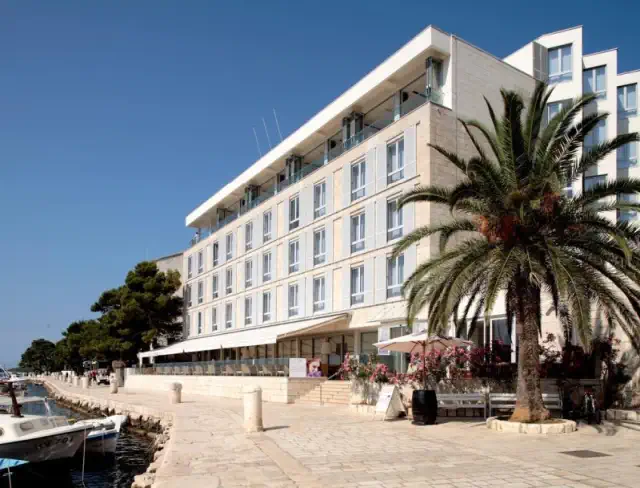
Obala Fabrika 28, 21450 Hvar, Croatia
Perfectly located overlooking Hvar city, Adriana Hvar Spa Hotel went complete refurbishment of public areas in 2018. Enjoy panoramic views from the rooftop terrace, have a drink at the Top Bar, or take a plunge in the brand new rooftop swimming pool. Free WiFi is available in all rooms and public areas.
Lone Hotel
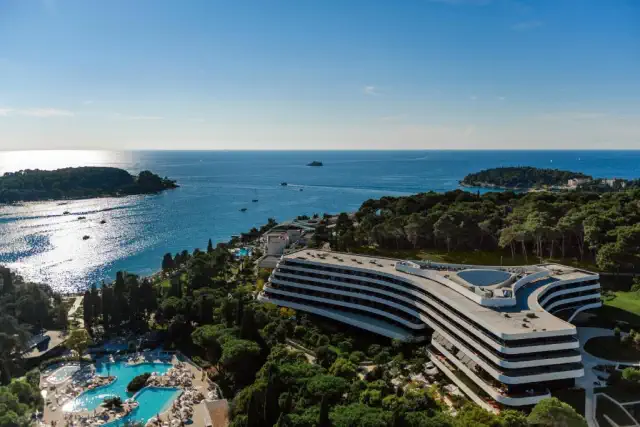
Luje Adamovica 31, 52210 Rovinj, Croatia
Inside the Golden Cape Natural Park, Lone Hotel by Maistra Collection features a terrace and a spa area. The hotel is 215 yards from the sea and a 15-minute walk from central Rovinj.
The Main Event: A Classic 10-Day Croatia Itinerary
Alright, let’s get to the heart of the matter. This Croatia itinerary 10 days is the sweet spot for many first-time visitors, offering a perfect balance of city culture, natural wonders, and island relaxation. We’ll be traveling from north to south, making the most of the transport links without feeling like we’re constantly on the move.
Days 1-3: Zagreb – The Capital of Cool
Start your journey in Zagreb, a city that often gets overlooked by those in a rush to hit the coast. Don’t make that mistake. Zagreb has a relaxed vibe, with grand Austro-Hungarian architecture, world-class museums, and a café culture that rivals Vienna . Spend your first day wandering the cobblestone streets of the Upper Town (Gornji Grad). Don’t miss the iconic St. Mark’s Church with its colorful tiled roof and the poignant Museum of Broken Relationships . On day two, explore the bustling Dolac Market, visit the soaring Zagreb Cathedral, and then grab a coffee on the vibrant, pedestrianized Tkalčićeva Street, where you can happily people-watch for hours .
Days 3-4: Plitvice Lakes – A Walking Dream
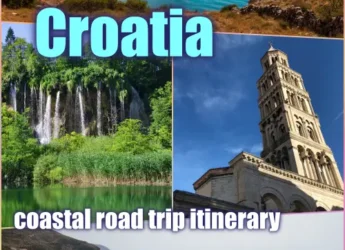
On day three, it’s time for a dose of nature. Catch an early morning bus from Zagreb to Plitvice Lakes National Park. This UNESCO World Heritage site is a wonderland of turquoise lakes connected by a series of breathtaking waterfalls. You’ll explore via a network of wooden walkways that take you right over and alongside the water . Pro tip: arrive early to experience the park’s magic before the tour buses descend . You can either base yourself at a hotel near the park or, more commonly, continue on to the coast afterwards. A handy piece of advice: if you’re driving, you can stop here en route from Zagreb to Zadar .
Days 4-6: Zadar & Split – Roman Ruins and Sea Sounds
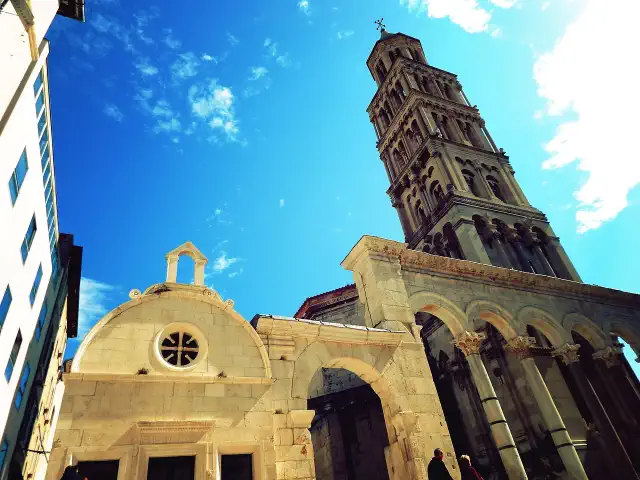
From the lush greenery of Plitvice, head to the coast. First stop: Zadar. This ancient city is a delightful mix of Roman ruins and modern art. Visit the Roman Forum and the distinctive pre-Romanesque Church of St. Donatus. But the real magic happens at sunset. Find a spot on the waterfront and let the Sea Organ, an architectural sound art object powered by the waves, provide a hauntingly beautiful soundtrack as the sky explodes in color . After a night in Zadar, it’s a short bus ride south to Split. Here, life revolves around Diocletian’s Palace. You can literally get lost for hours in the maze of narrow streets, popping out into ancient courtyards and lively squares. Be sure to explore the atmospheric basement substructures, which Game of Thrones fans might recognize .
Days 6-8: Island Hopping – Hvar & Korčula
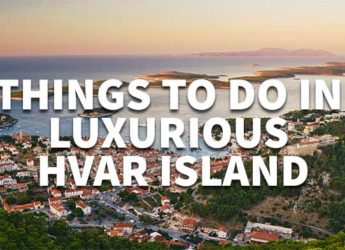
Now for the islands! From Split, hop on a catamaran to the glitzy Hvar Town. Famous for its lavender fields and vibrant nightlife, Hvar also has a beautiful old town and a stunning harbor . If the crowds get too much, take a water taxi to the nearby Pakleni Islands for a swim in a secluded cove. After a day or so, continue your island-hopping adventure to Korčula. Often called “Little Dubrovnik,” Korčula Town is a picture-perfect walled settlement on a tiny peninsula. It’s much more laid-back than Hvar, with fantastic wine bars where you can sample the local Pošip .
Days 8-10: Dubrovnik – The Pearl of the Adriatic
The grand finale: Dubrovnik. Your first glimpse of the magnificent city walls from the sea will take your breath away. Dedicate your first day here to wandering the marble streets within the walls, exploring its palaces and churches . On your final full day, do the quintessential Dubrovnik experience: walk the city walls. Go first thing in the morning to beat the heat and the crowds . In the afternoon, take a short ferry ride to the lush island of Lokrum for a refreshing swim in the Dead Sea, a small saltwater lake. For a final sunset, take the cable car up Mount Srđ for a panoramic view that will forever be etched in your memory .
Tailoring Your Trip: Alternative Croatia Itinerary Options
Not everyone has ten days, and some of you lucky ducks might have even more. So, let’s look at how to scale this adventure.
The One-Week Wonder: A Croatia Itinerary 7 Days
If you’re short on time, a Croatia itinerary 7 days is best spent focusing on the Dalmatian Coast. Fly into Split and out of Dubrovnik to save time. Spend two nights in Split, using a day to explore the city and perhaps a half-day trip to Trogir, a charming nearby UNESCO town. Then, hop over to one island—Hvar is a great choice for its mix of beauty and buzz—for two nights. Finally, spend your last three nights in and around Dubrovnik, giving yourself a full day for the city walls and another for exploring Lokrum or nearby beaches . It’s a fast-paced but incredibly rewarding taster session.
The Deep Dive: A Croatia Itinerary 14 Days
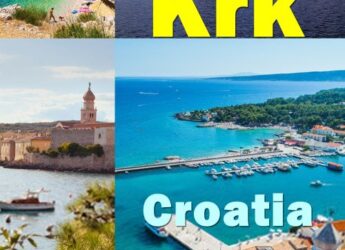
With a two-week Croatia itinerary, you can really start to explore the country’s diversity. You can easily follow the 10-day plan above but add a few magical extras. Before heading to the coast, spend an extra day or two in the Istrian peninsula, visiting the romantic town of Rovinj and the Roman amphitheater in Pula . After Split, you could add a day trip to the stunning Krka National Park, where you can actually swim near the waterfalls . Or, from Dubrovnik, take a day trip to the lush, less-visited Mljet National Park, where you can cycle around two saltwater lakes . The extra time allows you to trade the “checklist” pace for a more relaxed, immersive experience.
The Bottom Line: A Realistic Croatia Itinerary Budget Breakdown
Money matters, so let’s talk brass tacks. The cost of your trip will vary wildly depending on the season and your travel style. Here’s a realistic look at what to expect for your Croatia itinerary.
For a mid-range traveler, you’re looking at roughly €150-€260 per person, per day . This would cover a nice apartment or hotel, meals at a mix of konobas (taverns) and nicer restaurants, entry fees to major sights, and transport between cities . A budget traveler can get by on €50-€80 per day by staying in hostels, eating at bakeries and markets, and using public transport . On the flip side, luxury seekers spending €400+ per day can enjoy private villa rentals, yacht charters, and Michelin-starred dining .
Let’s break down a sample budget for a 7-day mid-range trip for two people, based on expert estimates from 2025 :
- Accommodation: €70-€130 per night (total: €490-€910)
- Food & Drink: €25-€40 per person, per day (total: €350-€560 for two)
- Transport (buses, ferries): €150-€300 total
- Sightseeing & Activities: €100-€200 total for two
- Overall Total for Two: Roughly €1,090-€1,970
A quick tip to save money: eat where the locals eat. Walk just five minutes away from the main square in Dubrovnik’s Old Town, and restaurant prices can drop by as much as 30% .
Beyond the Beaten Path: Hidden Gems
While the “greatest hits” are great for a reason, veering off the main road can lead to some of your most cherished travel memories. Let’s explore some of these incredible places that are perfect for weaving into a longer or more specialized Croatia itinerary.
Istria: A Taste of Tuscany in Croatia
The Istrian peninsula, in the north, is a world away from Dalmatia. Think rolling hills, truffle forests, and hilltop towns. The coast is dotted with beautiful cities like Rovinj, with its pastel-colored houses tumbling down to the sea, and Pula, home to a remarkably well-preserved Roman amphitheater . This region is a foodie’s paradise, known for its truffles, olive oil, and superb wines.
The Pelješac Peninsula: A Wine Lover’s Paradise
Just north of Dubrovnik, the Pelješac Peninsula juts out into the Adriatic. It’s famous for two things: some of Croatia’s best red wines, particularly the robust Plavac Mali, and the finest oysters. A trip to the quaint village of Ston is a must, where you can walk along its impressive 5.5km-long city walls, the second longest in the world . Afterwards, head to the tiny bay of Mali Ston to sample fresh oysters straight from the sea, often accompanied by a glass of local wine .
Savoring the Flavors: A Culinary Journey Through Your Itinerary
No Croatia itinerary is complete without indulging in the local cuisine. Croatian food is a delightful reflection of its diverse geography and history. As you travel, your plate will tell a story of its own.
In Zagreb and the inland regions, the food is hearty and influenced by Central European and Austro-Hungarian traditions. Think rich stews, grilled meats like ćevapi (minced meat sausages), and štrukli, a delicious baked or boiled dough filled with cheese and sour cream. Once you hit the coast, the menu shifts to the bounty of the Adriatic. You’ll find buzara, a style of cooking prawns or mussels in a sauce of wine, garlic, and breadcrumbs. You absolutely must try peka, a traditional dish where meat and vegetables are slow-cooked under a bell-like dome covered with embers—it’s a melt-in-your-mouth experience that requires 24-hour advance notice in most restaurants.
And let’s not forget the drinks. Croatia has a vibrant wine culture, with different regions producing excellent varietals. In Korčula, sip on a crisp white Pošip. On the Pelješac Peninsula, pair your oysters with a glass of fresh Plavac Mali. And for an after-dinner treat, try rakija, a potent fruit brandy, most commonly made from grapes (loza) or plums (šljivovica). A simple way to eat well and save money is to visit the local markets (tržnica)—they’re a feast for the senses and perfect for assembling a picnic lunch .
Frequently Asked Questions (FAQs) About Your Croatia Itinerary
Do I need a visa for Croatia?
For citizens of the US, UK, Canada, and Australia, no visa is required for tourist stays of up to 90 days within a 180-day period. Just ensure your passport is valid for at least three months beyond your planned departure date. As Croatia is in the Schengen Area, this time counts toward your overall Schengen limit. Note that from mid-2025, travelers will need to register with ETIAS (the European Travel Information and Authorisation System) before entering .
What is the best currency to use?
Croatia adopted the Euro on January 1, 2023. It’s a good idea to carry a small amount of cash (€200-€300) for markets, small bakeries, and bus fares, but credit and debit cards are widely accepted in hotels, restaurants, and larger shops .
Is it easy to get around Croatia without a car?
Absolutely. The bus network is extensive, comfortable, and connects all major cities and towns efficiently . For the islands, a comprehensive ferry network operated by companies like Jadrolinija makes island hopping straightforward. For a trip like the one outlined in this Croatia itinerary guide, a car is not necessary.
Is Croatia expensive?
Compared to Western European countries or Scandinavia, Croatia offers good value, especially in the shoulder seasons. While Dubrovnik and Hvar can be pricey, particularly in summer, you can easily manage costs by eating at local bakeries (pekare), staying in apartments, and visiting less touristy spots .
Is it safe to drink tap water in Croatia?
Yes, tap water throughout Croatia is perfectly safe to drink. In fact, it’s often fresh spring water. Bring a reusable water bottle to save money and reduce plastic waste .
What should I pack for a trip following this Croatia itinerary?
Comfortable walking shoes are non-negotiable—the old towns are paved with cobblestones. Pack a swimsuit, a cover-up, and water shoes for the pebbly beaches . For evenings, a slightly smarter outfit is a good idea, as Croatians tend to dress well. Don’t forget a scarf or shawl to cover your shoulders and knees when entering churches . And of course, a good camera to capture those unforgettable sunsets.
Crafting Your Own Adriatic Story
So there you have it—a comprehensive roadmap to crafting your dream Croatia itinerary. From the bustling streets of Zagreb to the serene waterfalls of Plitvice, and from the ancient walls of Dubrovnik to the sun-drenched islands of Hvar and Korčula, this country is a tapestry of experiences waiting to be woven into your own personal story. Remember, this guide is just a starting point. The real magic lies in the unexpected moments: the taste of a just-picked fig, the sound of laughter echoing off a stone alley, or the feeling of the cool Adriatic Sea on your skin after a day of exploring. So go on, start planning, and get ready to fall in love with the Pearl of the Adriatic.