Croatia itinerary 7 days

Before you even think about packing your swimsuit, let’s lay the groundwork for success. A little preparation goes a long way in ensuring your Croatia itinerary 7 days flows smoothly and delivers everything you’re hoping for. The first big decision? When to actually take the plunge and book those flights.
Essential Planning for Your Croatia Itinerary 7 Days
When to Go: Timing Your Week-Long Adventure Perfectly
Honestly, the timing of your trip can make or break the experience. The consensus among seasoned travelers and travel experts is crystal clear: the shoulder seasons are your best friend . Aim for the glorious months of May and June, when the countryside is lush and green, or the golden days of September and early October . During these windows, you’ll enjoy pleasant temperatures that are perfect for sightseeing and swimming, but you’ll cleverly sidestep the overwhelming crowds and inflated prices of July and August . The Adriatic Sea stays beautifully warm through October, so you won’t miss out on that refreshing dip .
If you’re dead set on visiting during peak summer (July-August), just be prepared for packed attractions and higher costs. However, the upside is that ferry schedules are running at maximum frequency, giving you more flexibility for island hopping . Winter months? I’d steer clear of the coast, as many restaurants and hotels shut up shop, though Zagreb’s Christmas markets are genuinely magical if you’re after a city-break vibe .
Getting In and Around: Your Transportation Game Plan
Now, let’s tackle the logistics puzzle. For a 7-day trip, you really want to fly into one coastal airport and out of another to avoid wasting precious time backtracking. The dream team? Fly into Split and out of Dubrovnik (or vice versa) . Both airports have excellent connections to major European hubs, especially during summer . Skip Zagreb airport for this particular itinerary unless you’re keen on the northern route we’ll discuss later—it adds 4-5 hours of travel just to reach the coast .
As for getting around, you’ve got options. Intercity buses are the unsung heroes of Croatian travel—they’re reliable, comfortable, and connect all the major hubs efficiently . The journey from Split to Dubrovnik by bus costs under €20 and takes about 3.5 to 5 hours, depending on the border crossing . For the islands, you’ll be using the excellent ferry network. Jadrolinija and Krilo are the main operators, and during summer, booking your ferry tickets online a few days ahead isn’t just a good idea—it’s essential . Trust me on this one.
If you’re considering a rental car, it gives you wonderful freedom for exploring places like Krka National Park or the Pelješac Peninsula . However, be warned: parking in old towns like Dubrovnik and Split is an expensive headache, often costing more than your transport between cities . Plus, the famous coastal D8 road has many sharp bends, so nervous drivers should take care .
Accommodation Options for Every Budget
Choosing where to stay is half the fun, and it dramatically shapes your experience. In Croatia, your accommodation isn’t just a place to sleep—it’s part of the adventure itself. You’ve got a wonderful spectrum of choices, from wallet-friendly hostels to luxurious seaside villas.
For the budget-conscious traveler, hostels and family-run guesthouses are absolute goldmines. They often offer not just a cheap bed, but also invaluable local tips and that famous Croatian hospitality . Imagine your host drawing you a map to the best, least-crowded beach—priceless, right? Budget travelers can comfortably get by on €50-80 per day by staying in hostels and eating at bakeries and markets .
If you’re looking for a mid-range option that blends comfort with character, look for an apartment or sobe (rooms to let). These are everywhere, especially in coastal towns, and give you the flexibility to cook your own meals with fresh produce from the local market . Mid-range travelers typically spend €150-260 per day, which covers nice apartments, meals at a mix of konobas (taverns), entry fees, and transport .
On the other end of the spectrum, for a truly special experience, consider splurging on a hotel with a sea view in a place like Hvar Town or Rovinj. Waking up to the sun glinting off the Adriatic is worth every penny. Luxury seekers spending €400+ per day can enjoy private villa rentals, yacht charters, and Michelin-starred dining .
A quick insider tip: in Dubrovnik’s Old Town, confirm whether your accommodation offers luggage service, as there are many stairs and you might be hauling your suitcase up several flights . And remember, walking just five minutes away from the main square in Dubrovnik can drop restaurant prices by as much as 30% .
Croatia offers everything from boutique heritage hotels to family-run guesthouses and luxury seaside resorts. The key is selecting locations that reduce travel time and maximize exploration.
Where to Stay by Destination
| Destination | Best Area | Why Stay Here | Ideal For |
|---|---|---|---|
| Zagreb | Upper Town (Gornji Grad) | Walkable, historic charm | Culture lovers |
| Plitvice | Entrance 1 or 2 | Early park access | Nature enthusiasts |
| Split | Old Town or Riva | Close to Diocletian’s Palace | First-time visitors |
| Hvar | Hvar Town | Ferry access, nightlife | Couples, groups |
| Dubrovnik | Inside Old Town or Ploče | Easy access to walls | History fans |
If you’re following this Croatia itinerary 7 days route strictly, book accommodations at least two months in advance for peak season (June–September). In shoulder seasons, availability improves and prices drop.
Accommodation Types
- Guesthouses (Sobe): Affordable and authentic
- Boutique Hotels: Stylish and centrally located
- Private Apartments: Great for families
- Luxury Resorts: Premium coastal views
Many local hosts offer insider travel advice. That local insight enhances the experience and reflects Croatia’s strong hospitality culture.
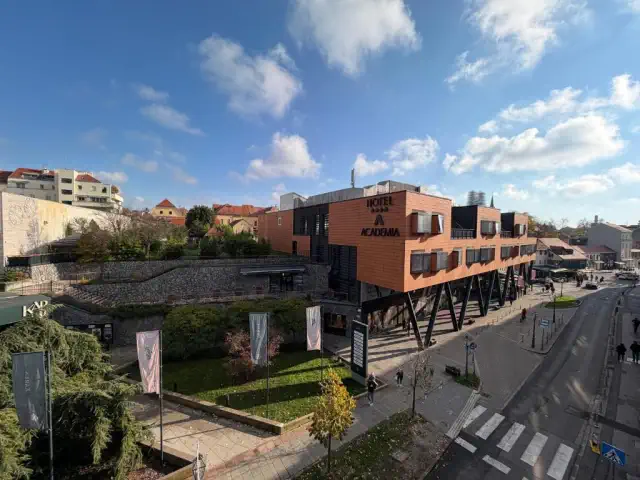
Hotel Academia
Tkalčićeva 88, Upper Town – Medvescak, 10000 Zagreb, Croatia
Set in the vivid Tkalčićeva Street, Hotel Academia offers accommodations in the center of Zagreb. The hotel is located 2297 feet from the central square of Zagreb, Ban Jelačić Square. Garage parking is available on site at a surcharge and free WiFi access is provided.
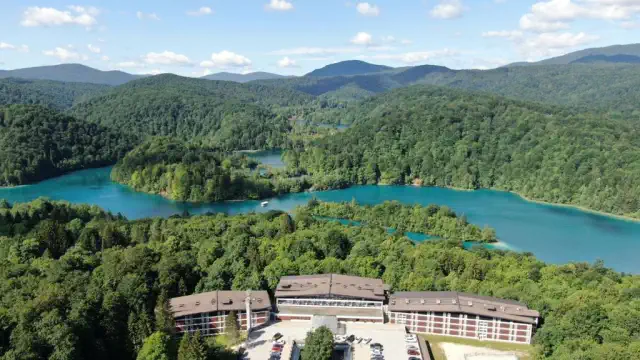
Hotel Jezero – Plitvice Lakes National Park
Plitvička Jezera, 53231 Plitvička Jezera, Croatia
Hotel Jezero – Plitvice Lakes National Park is located in the very heart of the Plitvice Lakes National Park, only 984 feet from the largest lake, Kozjak. The hotel offers rooms and suites, 2 restaurants and spa and wellness center. Free WiFi is provided as well as the private parking.
The Main Event: A Classic Split to Dubrovnik Croatia Itinerary 7 Days
Alright, let’s get to the heart of the matter. This Croatia itinerary 7 days is the sweet spot for most first-time visitors, offering a perfect balance of ancient history, natural wonders, and that stunning Adriatic coastline. We’ll be traveling from Split down to Dubrovnik, making the most of the transport links without feeling like we’re constantly on the move .

Days 1-2: Split – Living Inside a Roman Palace
Welcome to Split! Your first glimpse of this incredible city will likely be from the waterfront Riva Promenade, a bustling hub lined with palm trees and outdoor cafés . But the real magic lies just steps away: Diocletian’s Palace. This isn’t just a museum—it’s a 1,700-year-old living Roman complex where about 3,000 people actually have their homes, shops, and bars tucked into ancient walls .
Spend your first day getting gloriously lost in the palace’s maze-like limestone streets. You can’t truly get lost—the walls keep you oriented—but you’ll stumble upon hidden courtyards and charming squares at every turn . Don’t miss the atmospheric underground cellars, which Game of Thrones fans might recognize as the place where Daenerys kept her dragons . For a small fee (around €15 for a combo ticket), you can climb the Bell Tower of the Cathedral of St. Domnius for panoramic views that’ll make your Instagram followers weep with envy .
On your second day, take a morning stroll through the green market (Pazar) right next to the palace—it’s a feast for the senses with fresh produce, local cheeses, and bustling energy . In the afternoon, consider a walk up Marjan Hill. It’s a bit of a climb, but the sunset views over the city and harbor are absolutely worth the effort . For dinner, find a konoba (traditional tavern) like Villa Spiza for fresh Adriatic seafood paired with local Plavac Mali wine .
Day 3: Island Hopping Extravaganza – Hvar and the Blue Cave

Day three is where Croatia’s island magic truly comes alive. Book yourself on a speedboat tour that departs from Split—these typically run from around 8 AM to 8 PM and cover multiple islands in one glorious day .
The highlight for most folks is the Blue Cave on Biševo Island. Here, sunlight filters through an underwater opening, creating an ethereal electric-blue glow inside the cave . It’s weather-dependent, but if conditions aren’t right, tours usually reroute to the equally lovely Green Cave. You’ll also visit the stunning Stiniva Beach on Vis Island, a pebbly cove tucked behind dramatic cliffs, and stop for swimming at the crystal-clear waters of the Pakleni Islands .
The tour typically includes free time in Hvar Town, one of Croatia’s most glamorous spots . Wander its narrow streets, admire the pretty churches and squares, and if you have energy left, climb up to the Spanish Fortress (Fortica) for sunset views over the harbor and the Pakleni Islands . You’ll return to Split by evening, tired but absolutely buzzing from a day of Adriatic adventure.
Day 4: Krka National Park and the Charming Town of Trogir
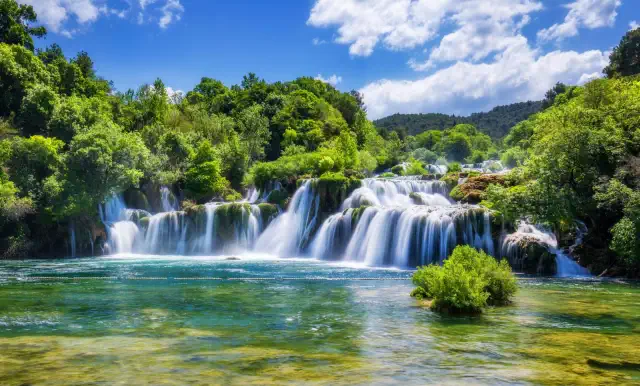
Today, we’re trading boats for waterfalls. Krka National Park is famous for its stunning series of travertine waterfalls, with Skradinski Buk being the most spectacular—a 17-step cascade that’s absolutely mesmerizing . Unlike Plitvice, Krka historically allowed swimming near the falls, though regulations have changed in recent years, so check current rules before you go .
The park entrance at Lozovac gives you closest access, and you can either take the shuttle bus or walk the steep 20-minute trail down to the main sights . Arrive early—by 10 AM, the tour buses start flooding in. Plan for about 2-3 hours to walk the full loop and soak in the beauty .
On your way back to Split, make a point to stop at Trogir, a UNESCO World Heritage town just 30 minutes away . This tiny gem is packed with medieval charm—wander its marble streets, admire the stunning St. Lawrence Cathedral, and climb the Kamerlengo Fortress for waterfront views . It’s the perfect afternoon side trip before returning to Split for your final night.
Day 5: Travel Day in Style – Korčula Stopover en Route to Dubrovnik

Today we begin our journey south to Dubrovnik, but we’re not just taking a boring bus—we’re making it an adventure. Catch a morning catamaran from Split to Dubrovnik, but choose a route that stops at Korčula along the way . The ride takes about 2 hours 20 minutes from Split to Korčula, then another 2 hours from Korčula to Dubrovnik .
Korčula Town is often called “Little Dubrovnik,” and for good reason. It’s a picture-perfect walled settlement on a tiny peninsula, with streets arranged in a herringbone pattern designed to shield residents from the wind while letting sea breezes flow through . Spend a couple of hours wandering its marble lanes, visit the house believed to be Marco Polo’s childhood home, and sample some local Pošip wine at a harborfront bar . Then hop back on your afternoon catamaran and arrive in Dubrovnik ready for dinner.
For your first evening in Dubrovnik, head to Restaurant Kopun in the Old Town’s quiet Jezuit Square. They serve traditional Croatian cuisine with outdoor seating overlooking the Baroque Church of St. Ignatius—a magical introduction to the Pearl of the Adriatic .
Days 6-7: Dubrovnik – The Pearl of the Adriatic
Your first glimpse of Dubrovnik’s magnificent old town from the sea will genuinely take your breath away . Those white limestone walls standing proud above the turquoise Adriatic are everything you’ve imagined and more.
Day 6: Old Town Exploration
Start your first full day by wandering the marble streets within the walls. Visit the Franciscan Monastery with its ancient pharmacy, the Rector’s Palace, and Sponza Palace . Don’t miss the War Photo Limited gallery—it’s a powerful experience documenting conflicts from the region and beyond . In the evening, take the cable car up Mount Srđ for sunset views that will forever be etched in your memory . The panorama of terracotta rooftops dipping into the glittering sea is pure magic.
Day 7: City Walls and Lokrum Island
Your final full day demands the quintessential Dubrovnik experience: walking the city walls. Go first thing in the morning (as soon as they open) to beat the heat and the crowds . The full loop takes 1.5-2 hours at a relaxed pace, offering incredible views of rooftops, fortresses, and the Adriatic from 25 meters high . Entry costs around €35 and includes St. Lawrence Fortress .
In the afternoon, take a 10-minute ferry ride to Lokrum Island. It feels like a different world—peacocks roam freely, botanical gardens flourish, and there’s a “Dead Sea” lagoon where you can float in the salty water . The €27 ticket includes return boat and island entry . Rocky beaches, monastery ruins, and cliff views await. For your final evening, find one of the tiny bars on the rocks outside the city walls for a sunset drink you’ll never forget .
Alternative Route: A Northern Croatia Itinerary 7 Days (Zagreb, Plitvice & Istria)
Now, if you’re the type who prefers lush green landscapes over island hopping, or if you’ve already done the Dalmatian coast, let me introduce you to a completely different side of Croatia. This northern Croatia itinerary 7 days combines capital city energy, breathtaking national parks, and the foodie paradise of the Istrian peninsula .
Days 1-2: Zagreb – Capital Charm and Café Culture
Start your journey in Zagreb, a city often unfairly overlooked by those rushing to the coast. Trust me, that’s a mistake. Zagreb has a wonderfully relaxed vibe, with grand Austro-Hungarian architecture, world-class museums, and a café culture that rivals Vienna .
On day one, base yourself near the Lower Town (Donji Grad) and ease into things with a walk through the Green Horseshoe—Zrinjevac Park and King Tomislav Square are lovely spots . Grab a coffee at Botaničar or Korica and just soak in the atmosphere. In the afternoon, wander the charming cobblestone streets of the Upper Town (Gornji Grad). Don’t miss St. Mark’s Church with its colorful tiled roof, the poignant Stone Gate shrine, and Lotrščak Tower . Ride the funicular down and explore vibrant Tkalčićeva Street, lined with bustling cafes .
Day two is for digging deeper. Start at the iconic Dolac Market, a feast of fruits, cheeses, and local bakeries . Visit the soaring Zagreb Cathedral, then choose your own adventure: Maksimir Park for a nature walk, the atmospheric Mirogoj Cemetery, or the quirky Museum of Broken Relationships—it’s unique for a reason .
Day 3: Plitvice Lakes – A Waterfall Wonderland
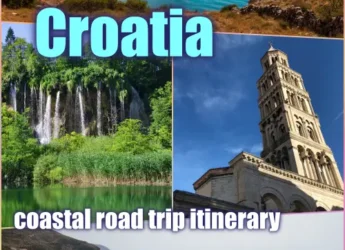
Today, we’re heading to Plitvice Lakes National Park, a UNESCO World Heritage site and one of Croatia’s absolute treasures . This wonderland features sixteen turquoise lakes connected by a series of breathtaking waterfalls, all explored via wooden walkways that take you right over and alongside the water .
Drive time from Zagreb is about 2 hours . The golden rule for Plitvice? Arrive early—between 7:30 and 8:00 AM—to experience the park’s magic before the tour buses descend . Choose Route C or H, the classic full-day loops that include an electric boat ride across Lake Kozjak and views of the magnificent Veliki Slap waterfall . Tickets are best purchased online in advance, costing around €40-45 in peak season . Stay overnight near the park in Rastovača or Jezerce to break up the journey .
Days 4-7: Istrian Peninsula – Truffles, Hilltop Towns, and Coastal Gems
From Plitvice, drive about 3 hours west to the Istrian peninsula, and base yourself in the romantic coastal town of Rovinj for the rest of your trip . This pastel-colored jewel tumbles down a hillside to the sea, with a charming old town crowned by the towering St. Euphemia’s Church .
Day 4: Arrive in Rovinj, settle in, and spend the afternoon exploring the old town and climbing the bell tower for panoramic views . Catch sunset at the waterfront promenade—it’s pure magic.
Day 5: Venture inland to Istria’s famous hilltop towns. Visit Motovun, perched on a hill overlooking vineyards and truffle-rich forests . Wander its stone lanes and indulge in truffle pasta. Continue to Grožnjan, the “artist village” filled with galleries, then explore the Istrian Wine Road with stops at wineries like Kozlović or Kabola .
Day 6: Choose your coastal adventure. History lovers should head to Pula to see its spectacularly preserved Roman amphitheater, the Arena . For a more relaxed vibe, visit Poreč with its UNESCO-listed Euphrasian Basilica and lovely seaside promenade .
Day 7: Spend your final morning walking the forested trails of Punta Corrente (Golden Cape) and swimming at one of Rovinj’s beautiful coves like Lone or Škaraba . Pick up local products—olive oil, truffle products, Malvazija wine—before enjoying one last romantic sunset on the rocks beneath the old town .
The Bottom Line: Realistic Budget Breakdown for Your Week in Croatia
Let’s talk money, because understanding costs helps you plan without stress. For a mid-range traveler following this Croatia itinerary 7 days, you’re looking at roughly €150-€260 per person, per day . That covers a nice apartment or hotel, meals at a mix of konobas and nicer restaurants, entry fees to major sights, and transport between cities.
A budget traveler can absolutely get by on €50-€80 per day by staying in hostels, eating at bakeries and markets, and using public transport wisely . On the flip side, luxury seekers spending €400+ per day can enjoy private villa rentals, yacht charters, and Michelin-starred dining .
Let’s break down a sample budget for a 7-day mid-range trip for two people:
- Accommodation: €70-€130 per night (total: €490-€910)
- Food & Drink: €25-€40 per person, per day (total: €350-€560 for two)
- Transport (buses, ferries): €150-€300 total
- Sightseeing & Activities: €100-€200 total for two
- Overall Total for Two: Roughly €1,090-€1,970
Quick money-saving tips: Buy the Dubrovnik Pass if you’re visiting multiple attractions (includes city walls and museums) . Eat where locals eat—walk just five minutes from the main tourist squares and prices drop significantly . And consider packing picnic lunches from supermarkets for beach days; it’s both authentic and economical .
Beyond the Itinerary: Hidden Gems Worth Your Time
While the highlights are highlights for good reason, knowing a few extras can elevate your trip from great to unforgettable. Let’s explore some cultural and culinary touches that’ll enrich your Croatia itinerary 7 days.
Culinary Delights: Tasting Your Way Through Croatia
No trip to Croatia is complete without indulging in the local cuisine. As you travel, your plate will tell a story of its own. You absolutely must try crni rižot (black risotto)—rice colored black with squid ink and packed with seafood . It’s a Dalmatian classic. Another must-try is peka, a traditional dish where meat and vegetables are slow-cooked under a bell-like dome covered with embers . You need to order it 4 hours in advance, but it’s melt-in-your-mouth perfection.
For wine lovers, Croatia is a revelation. In Korčula, sip crisp white Pošip. On the Pelješac Peninsula, try robust red Plavac Mali . And in Istria, you’re in truffle paradise—truffle pasta and olive oil are life-changing here . A simple way to eat well and save money? Visit local markets (tržnica)—they’re a feast for the senses and perfect for assembling a picnic with fresh bread, local cheese, and seasonal fruit .
Croatia Itinerary 7 Days Travel Tips for First-Time Visitors
If this is your first visit, keep these insights in mind:
- Start early to avoid cruise crowds in Dubrovnik.
- Wear comfortable walking shoes—old towns have stone streets.
- Exchange some euros for small purchases.
- Keep cash for island cafes.
- Check ferry schedules daily due to weather changes.
A well-planned Croatia itinerary 7 days allows flexibility. Build in downtime. After all, travel isn’t a race.
Frequently Asked Questions (FAQs) About Your Croatia Itinerary 7 Days
Is Croatia itinerary 7 days enough to see the highlights?
Yes. A structured Croatia itinerary 7 days plan covers Zagreb, Plitvice Lakes, Split, islands, and Dubrovnik comfortably. While you won’t see everything, you’ll experience the country’s core attractions.
What is the best month for a Croatia itinerary 7 days trip?
May, June, and September offer warm weather and fewer crowds. July and August are lively but busy.
Do I need a car for Croatia itinerary 7 days?
Not necessarily. Public transport works well between cities. However, renting a car increases flexibility, especially for national parks and wine regions.
Is Croatia expensive?
Croatia is moderately priced compared to Western Europe. Coastal cities cost more in summer. Planning ahead keeps your Croatia itinerary 7 days within budget.
Are Croatian islands easy to reach?
Yes. Ferries operate frequently from Split and Dubrovnik. Schedules vary seasonally.
Is Croatia safe for solo travelers?
Absolutely. Croatia ranks among Europe’s safest countries. Solo travelers, including women, generally report positive experiences.
Can I combine Montenegro with Croatia itinerary 7 days?
Yes. A day trip from Dubrovnik to Kotor in Montenegro is feasible. Bring your passport for border crossing.
Your Adriatic Adventure Awaits
So there you have it—a complete roadmap to crafting your dream Croatia itinerary 7 days. Whether you choose the sun-drenched Dalmatian coast with its Roman palaces and island gems, or the lush northern route with its waterfalls and truffle-laden hills, you’re in for something special. Remember, this guide is your starting point. The real magic lies in the unexpected moments: the taste of just-caught seafood at a harbor konoba, the sound of laughter echoing off ancient stone walls, or that perfect sunset moment when the Adriatic turns liquid gold. Croatia has a way of getting under your skin, and by the time you leave, you’ll already be planning your return. So go ahead—book those flights, pack your sense of adventure, and get ready to fall in love with one of Europe’s most enchanting corners. Safe travels, and see you on the Adriatic!